

Many young people today grow up in systems where adults decide what they should do, how they should do it — and who they should become. If a child disagrees, tries a different way, or simply doesn’t fit in, they’re labelled rebellious, difficult, or a troublemaker.
Ironically, when these same students step into the real world, society criticises them for lacking initiative, creativity, or the drive to think beyond what’s in front of them. We can’t expect young people to think for themselves if we’ve only ever told them what to think — not how.
If we truly want to prepare youth for life, we need to expose them to a wider range of role models. Not just traditional success stories, but people from all walks of life who prove there’s more than one path to thrive. We should even help children imagine careers that don’t exist yet — and ask what it would take to make them real.
Equally important are safe spaces and strong peer support. Many kids today are left to fend for themselves. Without positive role models at home or at school, they naturally look for belonging wherever they can find it. For some, that means falling in with groups that reinforce bad choices. Once they feel accepted — even for the wrong reasons — it’s very hard to pull them away without giving them something better.
We see this in kids who retreat into gaming. It’s not just an escape — it’s where they find community, purpose, and respect. The same happens when young people drift towards alcohol, drugs, or other negative escapes. If we only lecture them to stop, without understanding what needs these habits fulfill, we’ll never help them choose a better path.
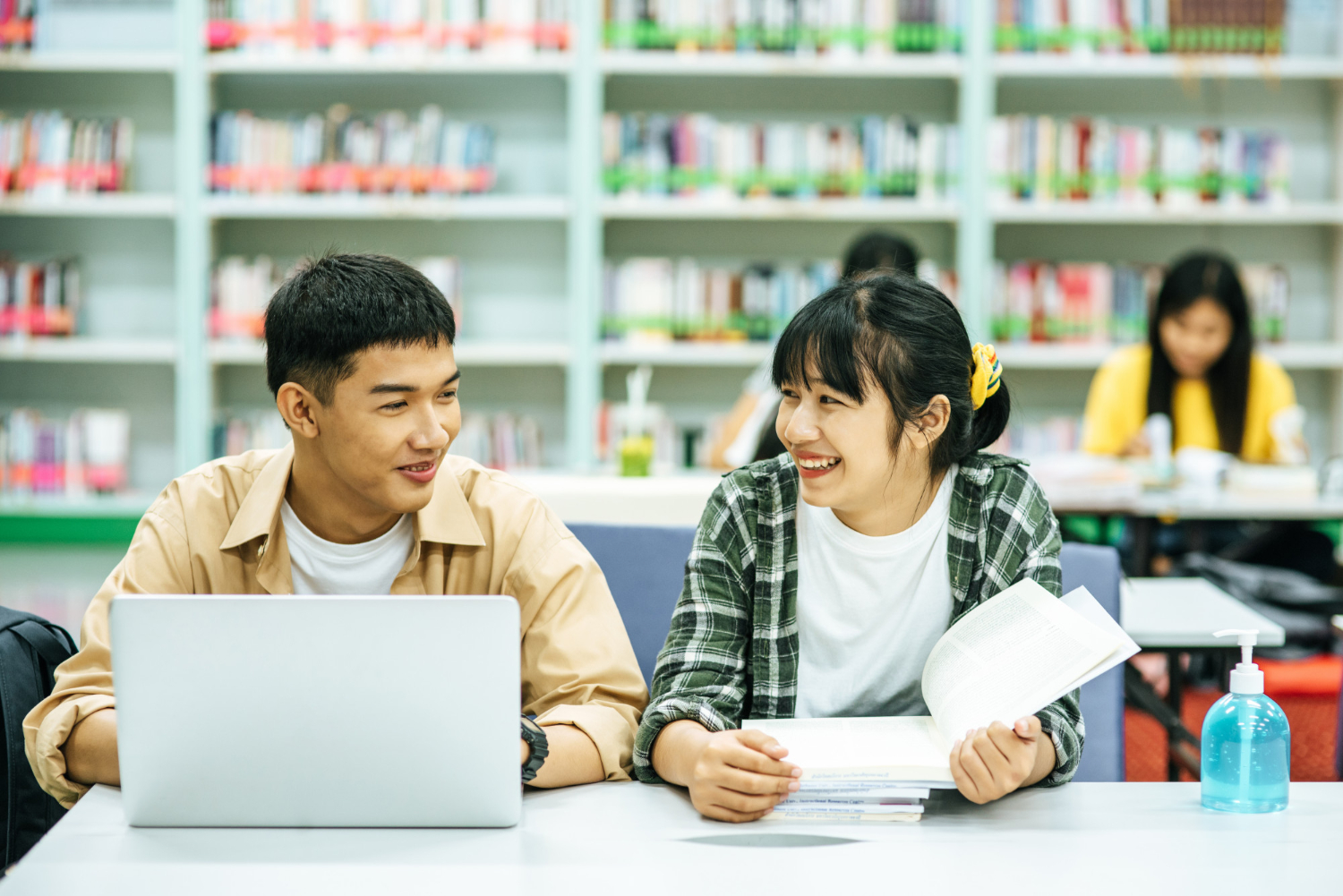
This is why it’s crucial to create safe, structured peer groups where young people can test ideas, learn through mistakes, feel seen and heard — and know they belong. Sports, CCAs, and clubs are a start, but they should focus less on performance alone and more on real peer support and passing kindness forward.
When kids slip through the cracks, it’s not enough to punish and hope they change. We need to surround them with positive mentors, help them find new circles, and stick with them until they’re strong enough not to fall back. This applies not just in school but also in National Service, universities, and even the penal system. Real reintegration means giving people a new “family” to stand by their side.
No child sets out wanting to fail. Everyone wants to belong, feel respected, and succeed at something meaningful. As adults, we can choose to direct and dictate — or we can guide, affirm, and build environments where the better choice is the obvious one.
If we give youth safe spaces, real role models, and positive peers, we don’t just change their future — we give them the power to shape it themselves.